A child’s alleged rape by a group home worker sparks scrutiny of Massachusetts welfare system
This story originally ran in the Boston Globe, June 30, 2025. Written with Scooty Nickerson
SPRINGFIELD — Evening services were underway at Iglesia de Dios Pentecostal here when a terrified, barefoot teenage girl shoved open the doors to the nave.
The room went silent.
“Please, help,” she gasped amid tears. “Lock the door, please.”
She had red marks and scratches on her back, neck, and arms, injuries inflicted during an attack at Greylock, the nearby group home where the girl lived. A worker there slapped her, apparently infuriated that the teenager, who has autism, ADHD, and anxiety, was being “verbally aggressive,” and then, as the two fought, pulled her hair and straddled her as she lay prone, according to a 2023 state investigation.
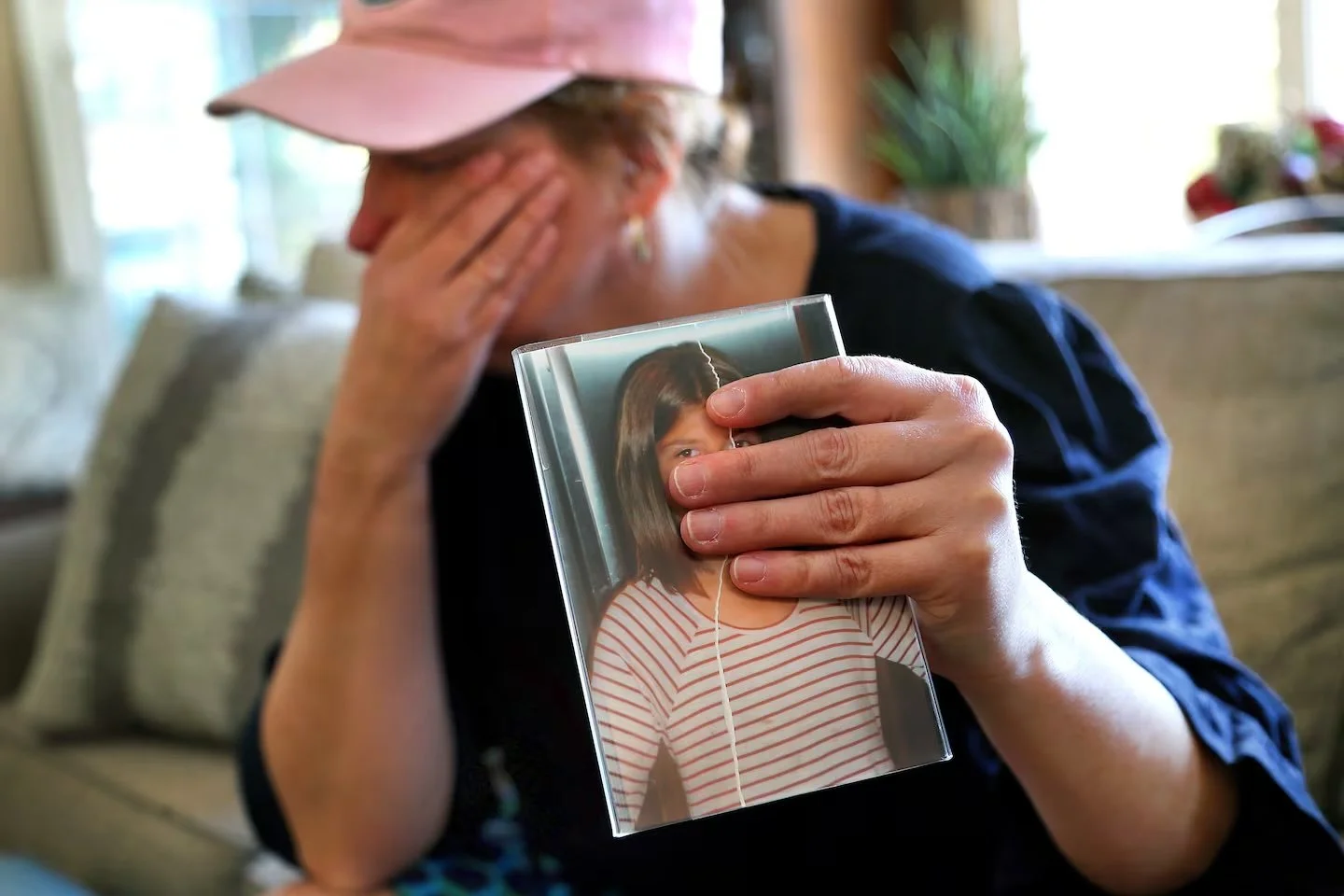
“I was afraid she was going to keep hurting me,” the girl, now 18, recalled in a recent interview with the Globe. The girl and her parents, who also spoke with the Globe, asked not to be identified to protect their privacy. A state investigation, citing video evidence, concluded the worker‘s use of force was unjustified.
The incident is part of a larger pattern of failures at Greylock, one of about 130 group homes in Massachusetts that collectively house about 1,500 children. Many of those kids ended up in group homes after a judge decided they would be safer living apart from their parents or guardians.
The problems at Greylock, meanwhile, are emblematic of broader shortcomings in the state’s child welfare system, which statistics suggest is among the most stressed in the country. Across Massachusetts, over the course of a year, roughly 14,000 children are in some form of state placement, a number that includes those removed from their families to live with relatives as well as kids placed in foster homes or group homes.
In Massachusetts, foster children are often shuffled among multiple placements — which research shows can lead to other harms — and they suffer higher rates of abuse than those in all but three other states. Children who can’t be placed in foster homes may wind up in group homes, and in troubled ones like Greylock they often fail to thrive. Almost 9 percent of children in state custody are housed in group homes, the fifth highest rate in the nation — which state officials say partly owes to the widespread availability of such beds here, something they’re glad to have.
Even within this imperfect system, the problems at Greylock stand out. Greylock housed up to 12 kids, a typical size for a group home, but at times, children ran away almost every day. Police were at the home constantly. An executive from the nonprofit that operated Greylock warned that understaffing and poor training were so pervasive the place should temporarily pause admissions. The state identified 10 confirmed incidents of child abuse or neglect by Greylock employees over the last five years — some serious enough that, had they been committed by a parent, might have caused the state to remove a child.
Massachusetts officials flagged Greylock for failing to meet standards 132 times between 2016 and 2025 — among the most citations any group home in the state received. Yet Greylock remained in operation. What finally set its closure into motion was the February 2024 indictment of a worker who is accused of repeatedly sexually assaulting a 14-year-old resident.
Xavier Cruz, 33, of Springfield, has pleaded not guilty to six counts of aggravated rape, among other charges. He is being held at the Hampden County Correctional Center.
Before Cruz was charged, state officials fielded reports of sex-related misconduct involving Cruz’s interactions with three other children, though they said they could not substantiate them.
Even after Cruz’s indictment, Greylock remained open for more than a year. It was shuttered about two months ago after the Globe began inquiring about conditions there. State officials called the closure voluntary, but prompted by “persistent noncompliance.”
State officials said they were deeply involved in trying to address the home’s issues and disputed that Greylock’s problems signal a broader crisis.
“We want kids to be safe and we are using all of our processes to ensure that programs are following the guidance that we have given them,” said Staverne Miller, commissioner of the state Department of Children and Families, which oversees the care of children in group homes.
Amy Kershaw, commissioner of the state Department of Early Education and Care, which licenses group homes, said her agency’s interventions in troubled group homes include sharing expertise, unannounced visits, and requesting written plans to address shortcomings.
Greylock was run by Northeast Center for Youth and Families, a nonprofit based in Easthampton that operated two other group homes in the area, Kidbuilders and Empire. Of the three, only Kidbuilders is still open.
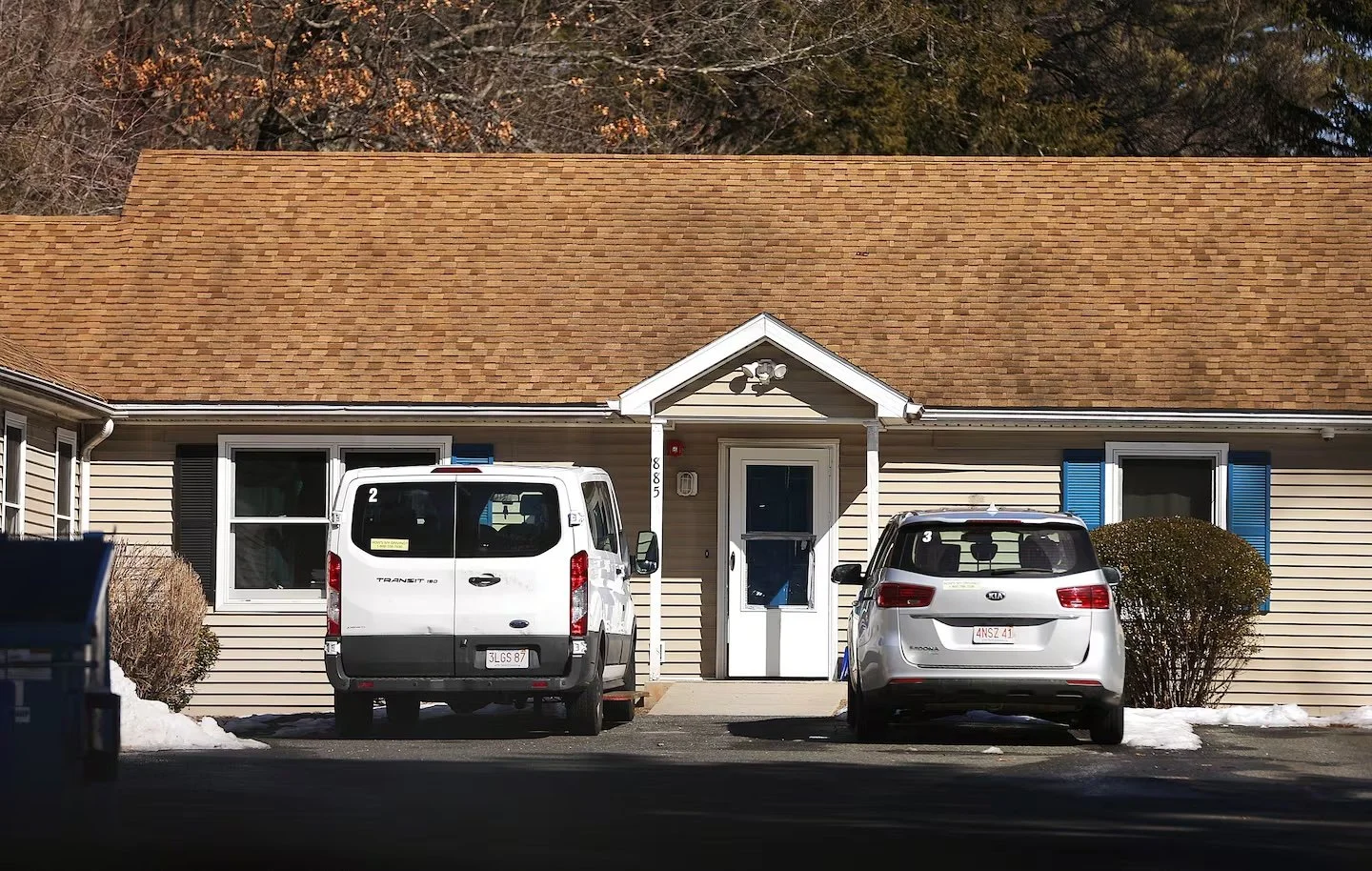
All three homes had long lists of documented problems, according to a Globe review of hundreds of pages of state records, as well as interviews with state officials, former workers, residents, their families, and their lawyers. Empire was closed in 2019 after numerous interventions by the state, including investigations, intensive oversight, and a freeze on admissions. Kidbuilders, meanwhile, accumulated 74 compliance failures from 2016 to 2025 and is under close watch, with planned and unannounced visits by state personnel and frequent meetings with staff.
The 132 violations recorded at Greylock were second only to a significantly larger facility, state officials said. Kidbuilders wasn’t far behind.
Massachusetts officials emphasized that they have quickly responded to complaints to the best of their ability. In a statement, they said they “have investigated every incident at [Greylock], and required them to do more to keep children safe.”
The executive director of Northeast Center for Youth and Families, Meredith Lagoy, said in an emailed statement, “We are always deeply troubled by any reports of children not receiving the compassion, respect and care they deserve.”
Lagoy did not answer questions about the rape indictment or why the home did not close sooner.
‘They really liked him’
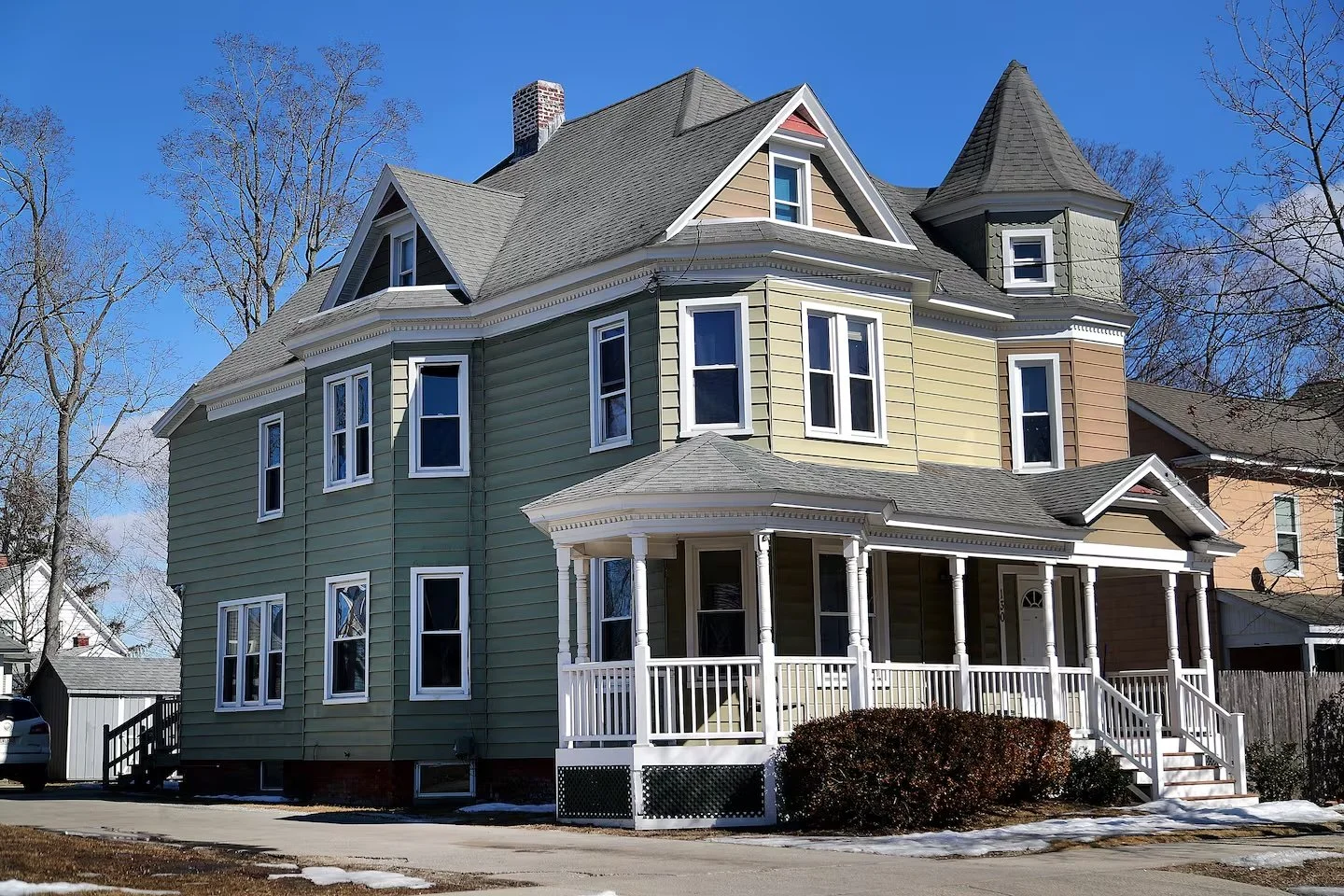
Greylock housed girls in a neo-Victorian home indistinguishable from its neighbors on a suburban Springfield street. Kidbuilders, which focuses on care for children ages six to 12, is about three miles away, tucked behind woods off a winding residential street.
The youth and families center first hired Cruz, the former worker now facing rape and assault charges, in November of 2020. He left after almost five months, but was rehired in July 2023, and by the fall he was an acting night supervisor at Greylock and Kidbuilders.
Cruz was described as charming and friendly by colleagues and parents of some residents, and his willingness to work extra shifts quickly ingratiated him to managers. “They really liked him,” recalled Jordan Craigwell, a former Kidbuilders program director who quit in 2024.
And the kids adored him, according to state investigators, no small advantage in homes where traumatized children acted out in disruptive, sometimes violent ways.
“Residents start seeking his attention as soon as XC [Cruz] walks in the door of the program,” one state report noted, citing a worker. “Residents would ask for hugs and even change their clothing when XC was working.”
Cruz invited the Greylock girls to watch his basketball games off-campus, former residents recalled, which Craigwell said was unusual. In fall 2023, a supervisor told Cruz the “face-to-face hugs” he gave girls were inappropriate, records show. Another supervisor told state investigators some of the girls had crushes on Cruz, though she added she wasn’t worried about it.
A state worker raised concerns about Cruz, records show, after he touched and rubbed a girl’s back. It was the same teen who had fled to the Springfield church. The girl’s parents told the Globe that at the time of the earlier incident, they believed Cruz was a positive influence on their daughter.
There had been some red flags. When the center rehired him, Cruz was on probation for three counts of larceny. He pleaded guilty in 2022 to taking jewelry from a senior at a residential facility where he worked, according to prosecutors.
Federal law bars people who have committed murder, rape, crimes against children, and other violent offenses from holding child care jobs. Massachusetts has additional restrictions, but people convicted of many crimes, including larceny, can still work with children depending on the results of a further review.
Audits have shown that group home workers are not always well vetted. A 2024 review by the state auditor found that almost 9 percent of sampled group home employees had incomplete background checks.
In Cruz’s case, state officials told the Globe the checks were done properly, though records are not available for public review.
But state reviews of Kidbuilders in 2020 and Greylock in 2023 noted the homes’ operator failed to conduct proper checks. Two improperly screened Greylock workers were cited for the “completely unnecessary” restraint of the teen who later fled to the Springfield church. One resigned months after being hired. The other, who had worked at Greylock about three years, was fired.
The family of the girl Cruz allegedly raped declined to be interviewed by the Globe, but she told state officials of a grooming process that began with Cruz being “touchy.” In late 2023, the victim said, Cruz began to embrace her and expose himself in areas without cameras. The girl described being abused “so many times,” including in the home’s relaxation room or in her bedroom while her roommate slept. Police found semen at various locations, including in the girl‘s bedroom, a prosecutor said at a January hearing. When confronted, Cruz told police he had a condition that caused “spontaneous ejaculation,” the prosecutor said, though Cruz’s lawyer said DNA had not tied his client to the semen.
Cruz did not respond to requests for interviews. His lawyer declined to comment.
In the wake of Cruz’s arrest, the state stepped up its oversight of Northeast Center for Youth and Families homes and oversaw two temporary admissions freezes at Greylock. By March 2025, state officials found the home was still noncompliant and initiated its closure.
Over a five-year period, Cruz was one of at least 30 workers from the center who quit or were fired after findings of misconduct, records show. The state requires at least one worker on duty for every three children in a group home, a standard the center’s homes often struggled to maintain.
State reports document a litany of failures at these homes: Required reports weren’t filed or were falsified; records include 15 incidents of mismanaged medications, including one in 2023 that sent a child to the hospital after a worker gave her the wrong prescription. Greylock also fired one worker after she jokingly chased a resident with a taser. Another staffer lost her job after she encouraged children to vandalize another worker’s car.
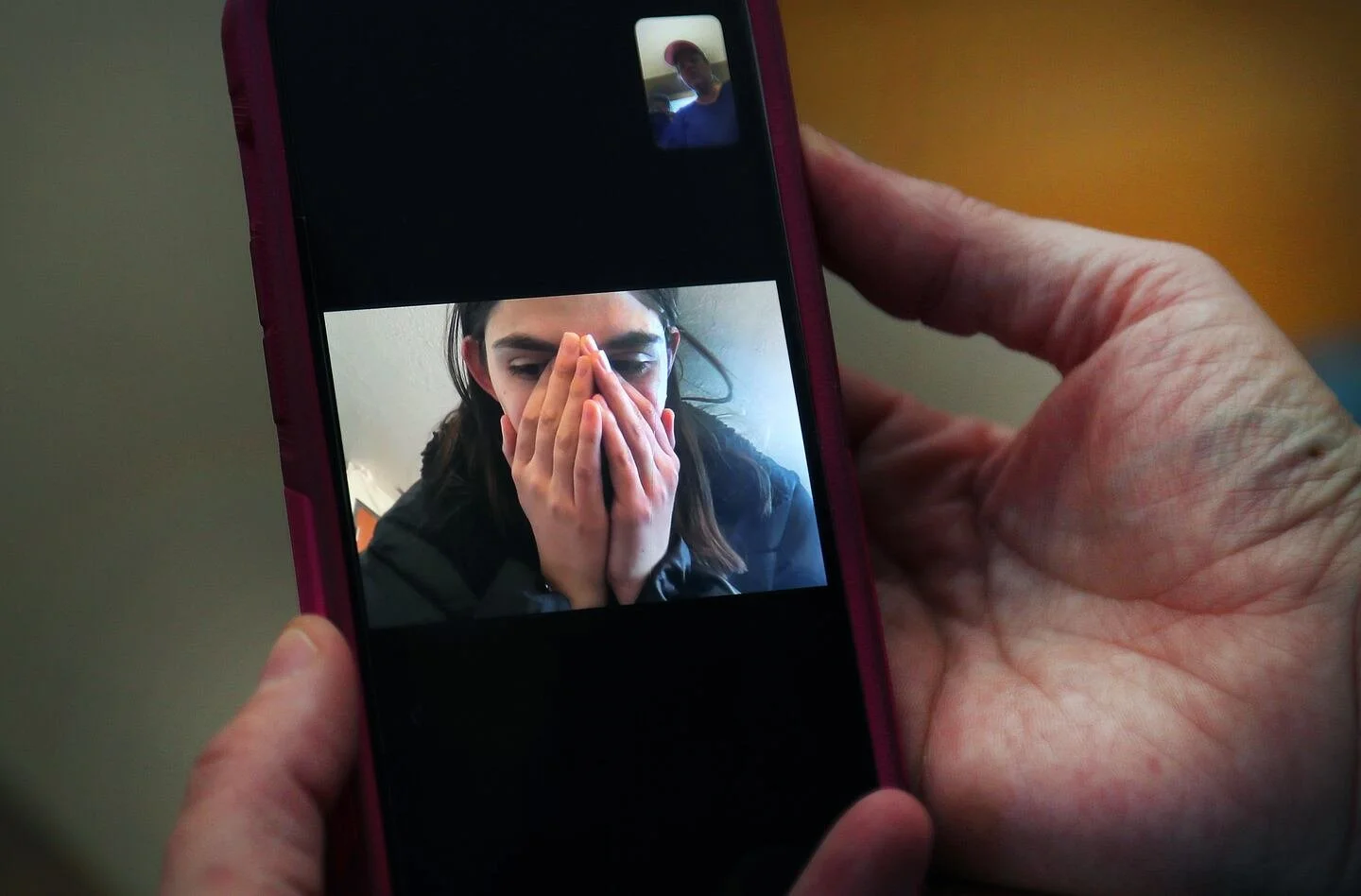
“I thought the Springfield streets were safer than that program,” said one teenager, now 15, who spoke to the Globe on condition of anonymity. She described running almost daily from Greylock at times during a stay there from 2023 to 2024.
State officials counter that they were watching things closely. They note they imposed admissions freezes at both of the center’s homes and negotiated the closure of 10 group homes over the last five years. And the Department of Early Education and Care is now revising regulations over group homes’ operation and oversight.
‘A money thing‘?
The government’s struggles with the state’s most challenging kids may not come down to a question of money. Massachusetts officials say they already spend around $210,000 a year for every occupied bed in a group home. The state’s most recent contract with the Northeast Center for Youth and Families paid $794 per day per child housed at Greylock.
As of 2020, only three states spent more per capita than Massachusetts on congregate care — facilities, including group homes, that provide supervised housing for children, according to an analysis from Child Trends, a nonprofit, nonpartisan research center.
Even so, pay for direct care workers at the center’s facilities ranged from $17 to $20 an hour, former staff said, while the base salary for Lagoy, the chief executive, was close to $200,000 in 2023, records show. Front-line workers often burned out or, due to inexperience, poor training, or temperament, committed errors that got them fired, said Nikkia Burch, vice president of residential and therapeutic day services at the center from 2022 to 2023.
Many kids in the center’s homes had issues that required staff trained in social work or psychology, one former supervisor said. But many job applicants were more likely to have experience as camp counselors, the supervisor said.
The employees who did stick around often had to put in extensive overtime, former workers said, making them less effective. One report noted a staffer worked 24 hours straight twice in one week in February 2019. Managers sometimes filled in so the homes could meet the state’s staffing requirements.
“You have children who have really high levels of need and there wasn’t a well-run, functioning system to support them,” said Burch, who picked up direct care shifts.
The investigation into Cruz found that on one night when the teenager alleged she was abused, the only other worker recorded on duty had fallen asleep. That worker, who was fired, said she was more than two-thirds of the way through triple shifts.
Two former workers told the Globe they had urged Lagoy to pause admissions at Greylock months before the alleged rape. Burch did so in writing.
“You continue to bring youth into care at the residential houses against my firm advice and despite not having sufficient staffing to support and provide safe and effective treatment and care,” the former vice president wrote in a 2023 resignation letter to Lagoy.
Other former workers said Lagoy was often unwilling to turn away children, even if their needs appeared unlikely to be met.
“It really seemed more of like a money thing,” said Craigwell, the former Kidbuilders program director. “Even if clients were coming in and we felt like they wouldn’t be a good fit, we’d say, ‘Yeah come on in.’”
Lagoy disputed that, saying revenue never played a role in admissions decisions.
“The number of children in each of our residential facilities at any given time reflects our continual assessment of staffing and client needs,” she said by email.
Child advocates such as Alexis Williams Torrey, co-director of strategic advocacy for the Children’s Law Center of Massachusetts, question DCF’s policy of paying most group homes only when beds are occupied, which she said incentivizes homes to accept children they’re not prepared to support.
“This is an oversaturated system,” Williams Torrey said. “Really the only answer is going to be, ‘What can we do to have fewer children in state custody?’”
Massachusetts has been moving in that direction, DCF officials noted. From 2020 to 2024, the overall number of kids in state custody, including foster homes and group homes, declined by 17 percent, DCF reported.
However, even with fewer children in care, the number of documented cases of abuse and neglect in group settings has inched up since the pandemic.
A double standard
Child advocates noted parents would likely lose custody if their households had the same conditions reported at Greylock.
“If the state’s going to remove a kid from a home because it thinks the home is neglectful, the least the state can do is not be neglectful itself,” said Samantha Bartosz, deputy litigation director at Children’s Rights, a national nonprofit.
Losmin Jimenez Gregory, a Salem attorney, described one young client at Kidbuilders in 2022 who did not receive any of the therapy she needed to be reunited with her family.
“She lost a year and a half of her life and we can’t go back,” Jimenez Gregory said. “We‘re not anywhere closer to reunification than we were before, so what are we doing?”
Despite the state’s ongoing oversight at Kidbuilders, conditions remain concerning, Leigh Cherkas, a lawyer representing a child there, said in a recent interview. When she visited this month, she said, the home was filthy and poorly maintained.
“The children in the program have such high needs that the people running the program are not meeting,” she said. “Who’s looking at this place and thinking it’s OK to send kids here?”
The parents of the girl who sought refuge in the Springfield church had asked the state to care for their child when they felt they could no longer manage her. But they said she left Greylock more violent and traumatized than when she entered.
Her father recalled the dread he felt as he dropped his daughter off: “What [expletive] hole did we leave our daughter in?”
Tricia L. Nadolny of the Globe staff contributed to this report.